
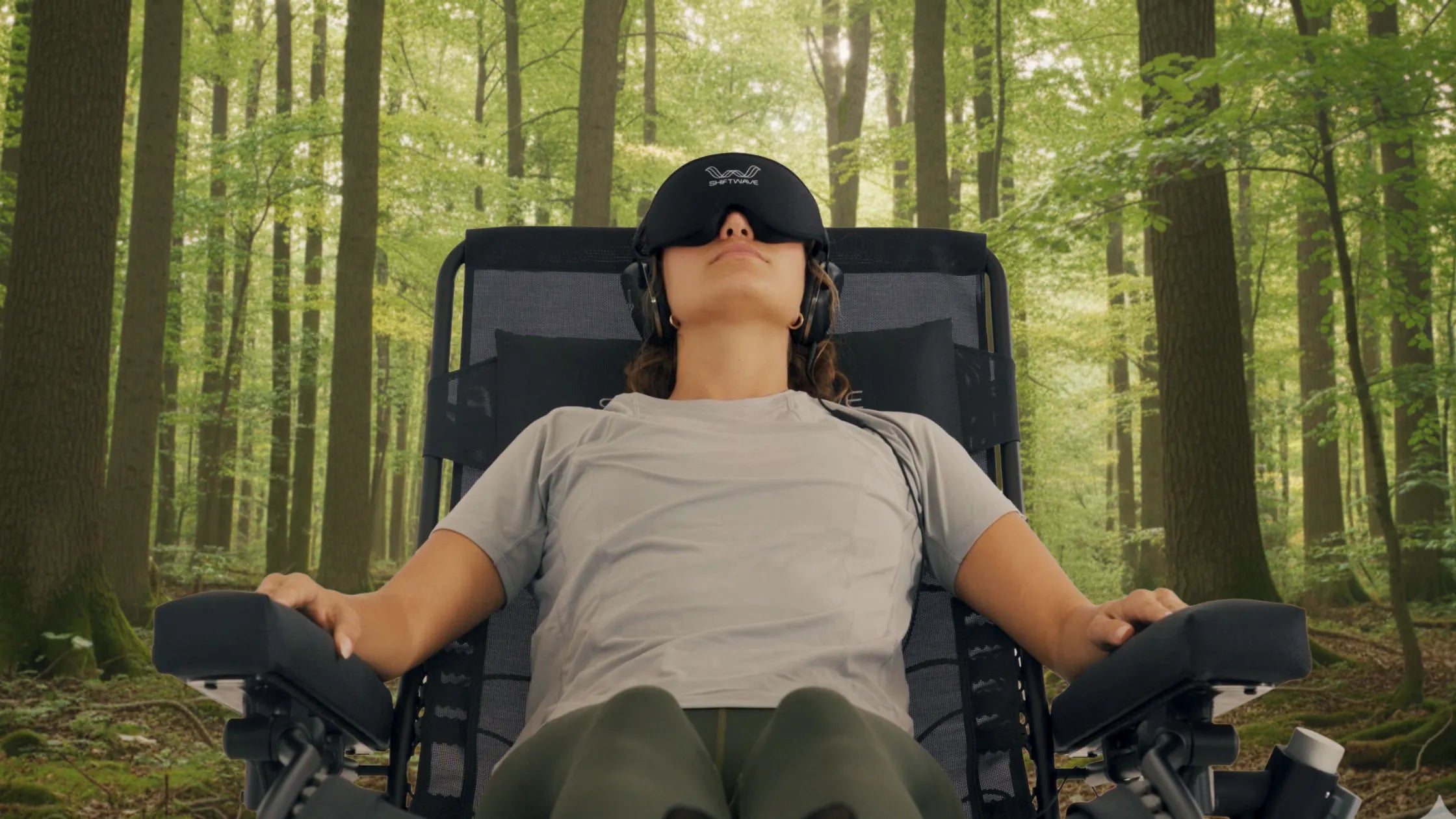
Benefits of Slow, Controlled Breathing for Sleep, Pain, Stress, Anxiety, Physical & Mental Performance, Vitality, and Longevity
PART 1
Executive Summary
The Importance of Autonomic Nervous System Balance
The autonomic nervous system (ANS) regulates involuntary functions such as heart rate, respiration, digestion, and the body’s response to stress. It has two primary branches:
-
Sympathetic nervous system (SNS) – “fight-or-flight,” mobilizing energy and arousal.
-
Parasympathetic nervous system (PNS) – “rest-and-digest,” supporting recovery, repair, and restoration.
A flexible, well-regulated ANS is associated with better sleep, lower pain, improved stress tolerance, enhanced cognitive and physical performance, and healthier aging. Chronic SNS overactivation and insufficient PNS tone are linked to insomnia, chronic pain, anxiety, cardiometabolic disease, and accelerated biological aging.
How Breathwork Works
Breathwork refers to structured breathing practices that deliberately modulate respiratory rate, depth, rhythm, and sometimes breath holds. Across the included studies, effective protocols shared common features:
-
Slow, controlled breathing (typically ~4–6 breaths/min)
-
Structured patterns (e.g., 4-7-8 breathing, box/coherent breathing, cyclic sighing, alternate-nostril breathing, pranayama)
-
Regular practice (often 5–30 minutes per session, repeated daily or multiple times per week)
-
Guided or self-guided formats (in-person instruction, audio/video guidance, or app-based delivery)
These techniques influence the ANS through:
-
Mechanical effects of slow, deep breathing on baroreflex and cardiopulmonary receptors
-
Vagal activation, enhancing parasympathetic (PNS) activity
-
Reduced chemosensory drive and respiratory rate, decreasing physiological arousal
-
Top-down effects on attention, interoception, and emotion regulation
Across clinical populations, healthy adults, and athletes, slow, controlled breathing demonstrates statistically significant improvements in:
-
Sleep onset, continuity, and subjective sleep quality
-
Pain intensity and pain tolerance
-
Stress, anxiety, and mood
-
Physical performance (e.g., inspiratory strength, VO₂max, sports performance)
-
Cognitive performance and decision-making
-
Physiological markers of vitality and longevity (HRV, cardiac vagal activity, oxygen saturation)
Adverse effects are rare and generally mild, with even more intense hyperventilation-based methods (e.g., Wim Hof, cyclic hyperventilation) being well tolerated when supervised.
Benefits (High-Level Summary)
-
Sleep
-
RCTs in hemodialysis and post-bariatric surgery patients report large improvements in sleep quality on the Richards-Campbell Sleep Questionnaire (RCSQ), e.g., from ~49 to >80 and from ~67 to ~81 (p < 0.001 / significant).
-
In insomnia and peri-/post-menopausal women, slow breathing improves sleep latency, efficiency, and deep sleep, with a randomized trial in healthy adults reporting Cohen’s d = 0.51 for subjective sleep quality (p = 0.007).
-
Pain
-
Breathing interventions reduce pain intensity on the Visual Analog Scale (VAS) from moderate–severe (≈4–7/10) to near-minimal levels (<1/10) in hemodialysis and post-surgical patients (p < 0.001).
-
A systematic review reports a mean VAS reduction of –1.21 (95% CI –1.75 to –0.68), indicating clinically meaningful analgesia.
-
Stress and Anxiety
-
Meta-analytic data show small-to-moderate reductions in stress and anxiety (Hedges’ g ≈ –0.35, p = 0.0009).
-
Individual RCTs report reduced anxiety, lower breathing and heart rates, and improved HRV; one trial reports increased overnight cardiac vagal activity with Cohen’s d = 0.68 (p < 0.001).
-
Physical and Mental Performance
-
Inspiratory muscle training (IMT) yields large improvements in maximal inspiratory pressure (MIP) and gains in VO₂max, muscle strength, and sport performance.
-
Slow and pattern-based breathing protocols improve decision-making and cognitive performance metrics in students and healthy adults.
-
Energy, Vitality, and Longevity
-
Slow breathing and HRV-oriented breathwork enhance HRV, RSA, and baroreflex sensitivity—physiological markers linked to better health, stress resilience, and lower mortality risk.
-
In peri-/post-menopausal women, breathwork increases deep sleep and oxygen saturation and reduces heart and breathing rates (p ≤ 0.04).
-
Safety and Implementation
-
Across trials and reviews, serious adverse events are not reported.
-
Programs are low-cost, scalable, and suitable for home or remote delivery, with better outcomes when practice is consistent and initially guided.
Executive Summary Conclusion
Across 25 controlled studies and 5 systematic reviews/meta-analyses, structured breathwork—especially slow, controlled breathing—demonstrates consistent, clinically meaningful benefits across sleep, pain, stress/anxiety, physical and mental performance, and autonomic markers associated with vitality and longevity. Effects are strongest in clinical and high-stress populations but generalize to healthy adults and athletes.
Breathwork represents a safe, scalable, low-cost autonomic regulation tool that systematically leverages breathing as a direct gateway into nervous system balance.
PART 2
Evidence Review Methods
Paper Search
We conducted a semantic search using the query:
“The function of breathwork to help with sleep, pain, stress, anxiety, physical and mental performance improvement, vitality and longevity.”
The search was run on over 126 million academic papers available through the Elicit engine (covering Semantic Scholar and OpenAlex).
From this query, we retrieved the 499 most relevant papers for initial screening.
Screening
We screened in studies that met all of the following criteria:
-
Human Population – Human participants of any age (no animal or in-vitro work).
-
Structured Breathwork Intervention – A defined breathing protocol (e.g., diaphragmatic breathing, 4-7-8 breathing, box/coherent breathing, pranayama, paced breathing, inspiratory muscle training).
-
Relevant Outcomes – At least one of:
-
Sleep (quality, duration, insomnia)
-
Pain (acute/chronic intensity, tolerance)
-
Stress or anxiety (psychological or physiological)
-
Physical performance (strength, endurance, sport performance)
-
Mental performance (cognition, decision-making, attention, mood)
-
Vitality (energy, subjective wellness)
-
Longevity indicators (HRV, cardiovascular risk, biomarkers of aging)
-
Study Design – RCT, quasi-experimental trial, cohort, case-control, cross-sectional study, pre-post design (n ≥ 10), or systematic review/meta-analysis.
-
Validated Measures – Validated questionnaires or objective markers (e.g., RCSQ, PSQI, VAS, HRV, EEG, spirometry, VO₂max, standardized cognitive tasks).
-
Active Breathwork Focus – The intervention actively trained breathing patterns; passive observation of natural breathing alone was excluded.
-
Primary/Analyzable Breathwork Component – Breathwork was the main intervention, or its specific effects were analytically separable in a multimodal program.
-
Adequate Sample Size – ≥10 participants per study arm or total sample (case reports/series <10 excluded).
A holistic judgment was applied to determine inclusion, considering all criteria together.
Data Extraction
A large language model was used to extract structured data from the full texts or abstracts of each included study. Extracted fields included:
-
Breathwork technique
-
Type (e.g., diaphragmatic, coherent, alternate-nostril, 4-7-8, Wim Hof, inspiratory muscle training)
-
Breathing pattern (rate, inhale/exhale counts, holds)
-
Session duration, frequency, and total program length
-
Delivery format and guidance level
-
Target outcomes
-
Sleep, pain, stress, anxiety, physical performance, mental performance, vitality, longevity markers
-
Measurement tools used for each domain
-
Population characteristics
-
Sample size, age, health status, baseline symptom severity
-
Setting (clinical, community, workplace, educational, sports)
-
Results
-
Direction and magnitude of change (effect sizes, percentage changes)
-
Statistical significance (p-values, CIs)
-
Time points (immediate, short-term, longer-term follow-up)
-
Study design and quality
-
Design type (RCT, quasi-experimental, pre-post, observational)
-
Control condition (no treatment, usual care, active placebo, waitlist)
-
Blinding, randomization, and noted limitations
-
Mechanisms
-
Physiological (ANS activity, HRV, EEG, cortisol, respiratory parameters, blood pressure)
-
Psychological (relaxation response, emotion regulation, interoception)
-
Implementation factors
-
Adherence, drop-out rates, training requirements
-
Home practice expectations and compliance
-
Reported barriers, facilitators, and adverse effects
Characteristics of Included Studies
-
14 randomized controlled trials (RCTs)
-
5 systematic reviews (2 with meta-analysis)
-
3 quasi-experimental studies (1 also included an RCT arm)
-
1 observational study
-
1 scoping review
-
1 pre-post study
Breathing interventions included slow/controlled breathing, yogic pranayama, 4-7-8 breathing, HRV biofeedback, cyclic or high-ventilation protocols, inspiratory muscle training, and various unspecified/combined breathwork methods. Primary outcomes spanned stress/anxiety, physiological markers (HRV, EEG, arousal), sleep, pain, mood, physical performance, cognition, and quality of life.
PART 3
Expanded Explanation of the Benefits of Breathwork
1. Sleep
A well-regulated ANS is central to healthy sleep. Breathwork interventions primarily aim to reduce sympathetic arousal and enhance parasympathetic tone, thereby improving sleep onset, continuity, and depth.
Evidence Summary
-
Hemodialysis patients (n=69)
-
Multi-component breathwork (diaphragmatic, Agni Sār, Nadi Shodhana, 4-7-8) led to large improvements in sleep quality, with RCSQ scores increasing from ~48–49 to ~80 (p < 0.001).
-
Post-bariatric surgery patients (n=80)
-
4-7-8 breathing improved sleep quality (RCSQ ≈ 67 → 81; significant).
-
Insomniacs and fibromyalgia patients
-
Slow/paced respiratory programs improved sleep latency, awakenings, efficiency, and subjective sleep quality, with improved HRV and fewer nocturnal awakenings.
-
Cancer chemotherapy (n=16)
-
Pranayama (ujjayi, nadi shodhana, kapalabhati, breath observation) improved sleep disturbance in a dose-response fashion (p = 0.04).
-
Healthy adults (n=64)
-
A 30-day slow-paced breathing intervention improved subjective sleep quality with Cohen’s d = 0.51 (p = 0.007) and increased overnight cardiac vagal activity (CVA) with d = 0.68 (p < 0.001).
-
College students (n=41)
-
Cyclic breathing improved total sleep time, reduced sleep onset latency and wake time, with neutral effects on PSQI in preliminary data.
-
Peri-/post-menopausal women (n=20)
-
Ujjayi pranayama increased deep sleep by ~5% (p = 0.04).
Across 10 sleep-focused studies:
-
7 reported improved sleep outcomes, 5 with significant statistics.
-
2 reported no significant changes, and 1 mixed profile (some measures improved, others unchanged).
-
No studies reported worsened sleep.
Mechanistic Links
-
Slow breathing increases parasympathetic dominance and HRV during pre-sleep and sleep, supporting transitions into NREM and deep sleep.
-
Reduced physiological arousal and improved emotion regulation lower the cognitive and somatic hyperarousal linked to insomnia.
Sleep – Key References
-
Yasemin Özyer Güvener & Z. Koç. “The Effect of Breathing Exercises on Pain, Sleep, and Symptom Management in Patients Undergoing Hemodialysis: A Randomized Controlled Trial.” Sleep & Breathing, 2025.
-
Vesile Eskici İlgin & A. Yayla. “Effect of the 4-7-8 Breathing Technique on Pain Level and Sleep Quality of Patients After Laparoscopic Bariatric Surgery: A Randomized Controlled Study.” Bariatric Surgical Practice and Patient Care, 2023.
-
H. Tsai et al. “Efficacy of Paced Breathing for Insomnia: Enhances Vagal Activity and Improves Sleep Quality.” Psychophysiology, 2015.
-
M. Garrido et al. “Effects of a Respiratory Functional Training Program on Pain and Sleep Quality in Patients with Fibromyalgia: A Pilot Study.” Complementary Therapies in Clinical Practice, 2017.
-
A. Dhruva et al. “Yoga Breathing for Cancer Chemotherapy-Associated Symptoms and Quality of Life: Results of a Pilot Randomized Controlled Trial.” Journal of Alternative and Complementary Medicine, 2012.
-
S. Laborde et al. “Influence of a 30-Day Slow-Paced Breathing Intervention Compared to Social Media Use on Subjective Sleep Quality and Cardiac Vagal Activity.” Journal of Clinical Medicine, 2019.
-
Serge Onyper et al. “Longitudinal Examination of the Effects of Cyclic Breathing on Sleep: A Pilot Study.” Sleep, 2025.
-
A. Pal et al. “Effect of Meditation and Relaxation on Physiological Markers of Stress and Sleep.” Sleep, 2023.
2. Pain Management
Breathwork can modulate pain via both central and autonomic pathways, altering pain perception, tolerance, and affective response.
Evidence Summary
-
Hemodialysis patients (n=69)
-
Multi-technique breathing reduced VAS pain from ~4.1 to ~0.4 (p < 0.001).
-
Post-bariatric surgery patients (n=80)
-
4-7-8 breathing decreased VAS pain from ~7.1 to ~4.6 (significant).
-
Chronic low-back pain (n=36)
-
Breath therapy (body awareness + breathing + movement) reduced pain on VAS more than usual care in a pilot RCT.
-
Fibromyalgia (n=18)
-
Respiratory functional training increased pain tolerance and improved sleep quality in a quasi-experimental design.
-
Systematic review of breathing for pain
-
Pooled VAS reduction –1.21 (95% CI –1.75 to –0.68) across diverse populations, indicating a moderate and clinically meaningful analgesic effect.
Across 5 pain-focused sources:
-
All reported reduced pain intensity or increased pain tolerance.
-
3 reported statistically significant changes; none reported increased pain.
Mechanistic Links
-
Breathwork can reduce sympathetic overactivation, lowering catecholamine-driven hyperalgesia.
-
Slow, deep breathing influences descending pain control and may engage periaqueductal gray and cortical pain modulatory networks.
-
Improved HRV and vagal activity may reduce neuroinflammation and central sensitization.
Pain – Key References
-
Yasemin Özyer Güvener & Z. Koç. RCT in hemodialysis patients. Sleep & Breathing, 2025.
-
Vesile Eskici İlgin & A. Yayla. RCT in post-bariatric surgery. Bariatric Surgical Practice and Patient Care, 2023.
-
W. Mehling et al. “Randomized, Controlled Trial of Breath Therapy for Patients with Chronic Low-Back Pain.” Alternative Therapies in Health and Medicine, 2005.
-
M. Garrido et al. Fibromyalgia respiratory training. Complementary Therapies in Clinical Practice, 2017.
-
J. P. Alzate-Granados et al. “Breathing Technique in Pain and Cognitive Function: A Systematic Review of the Literature.” 2020.
3. Stress and Anxiety
Breathwork is one of the most robustly studied non-pharmacologic methods for reducing stress and anxiety and improving related physiological markers.
Evidence Summary
-
Meta-analysis of RCTs (n=785)
-
Breathwork showed Hedges’ g = –0.35 (p = 0.0009) for stress and anxiety, indicating small-to-moderate benefits across populations.
-
Healthy adults, cyclic sighing/box breathing/cyclic hyperventilation (n=108)
-
Daily 5-minute respiration practices improved mood and reduced physiological arousal and respiratory rate (p < 0.05).
-
Systematic reviews of diaphragmatic and slow breathing
-
Report significant reductions in self-reported stress (e.g., DASS-21) and physiological stress markers (cortisol, HR, blood pressure).
-
Cancer chemotherapy patients (n=16)
-
Pranayama produced dose-dependent reductions in anxiety (p = 0.04).
-
Slow breathing and HRV biofeedback trials
-
Increased HRV, RSA, baroreflex sensitivity, and reduced perceived stress and test anxiety.
-
Musicians (n=46)
-
Single-session HRV biofeedback + diaphragmatic breathing reduced performance anxiety and improved HRV (p = 0.045).
-
Some large RCTs (e.g., coherent breathing vs. placebo breathwork) show improvements in both arms, suggesting that even simple structured breathing may be beneficial.
In total:
-
10 studies reported improvements in stress/anxiety or mood.
-
7 reported improvement in physiological stress markers (HRV, cortisol, BP, HR, EEG gamma).
-
3 trials found no between-group difference (active vs. placebo breathwork) but within-group improvements.
Mechanistic Links
-
Slow breathing enhances vagal tone, reduces amygdala and limbic reactivity, and improves prefrontal control over emotional responses.
-
HRV increases reflect greater autonomic flexibility, associated with stress resilience and better emotion regulation.
Stress & Anxiety – Key References
-
Guy W. Fincham et al. “Effect of Breathwork on Stress and Mental Health: A Meta-Analysis of Randomised-Controlled Trials.” Scientific Reports, 2023.
-
Melis Yilmaz Balban et al. “Brief Structured Respiration Practices Enhance Mood and Reduce Physiological Arousal.” Cell Reports Medicine, 2023.
-
Tanya G. K. Bentley et al. “Breathing Practices for Stress and Anxiety Reduction: Implementation Framework Based on a Systematic Review.” Brain Sciences, 2023.
-
S. Hopper et al. “Effectiveness of Diaphragmatic Breathing for Reducing Physiological and Psychological Stress in Adults.” JBI Database of Systematic Reviews, 2019.
-
A. Dhruva et al. Yoga breathing in chemotherapy. Journal of Alternative and Complementary Medicine, 2012.
-
M. De Couck et al. “How Breathing Can Help You Make Better Decisions: Two Studies on Breathing Patterns, HRV and Decision-Making.” International Journal of Psychophysiology, 2019.
-
R. Wells et al. “Matter Over Mind: A Randomised-Controlled Trial of Single-Session Biofeedback Training on Performance Anxiety and HRV in Musicians.” PLoS ONE, 2012.
-
Yu-Fen Chen et al. “The Effectiveness of Diaphragmatic Breathing Relaxation Training for Reducing Anxiety.” Perspectives in Psychiatric Care, 2017.
4. Physical and Mental Performance
Breathwork, particularly inspiratory muscle training and coherent/slow breathing, supports both physical and cognitive performance.
Physical Performance
-
Systematic review & meta-analysis of IMT in physically active adults
-
Large improvements in maximal inspiratory pressure (MIP), better spirometry metrics, and improved sports performance outcomes (p < 0.05).
-
Long-distance runners (n=25)
-
IMT improved VO₂max, respiratory function, and muscle strength; performance gains were significant.
-
Male students (n=44) – Wim Hof method
-
Improved vital capacity, heart rate recovery, breathing rate, and physical fitness scores (Rufier test) with p-values ranging from ≤0.05 to ≤0.001.
Mental Performance
-
Business-case decision-making
-
Breathing patterns that increased HRV improved decision-making quality in students and healthy adults.
-
Systematic review on pain and cognition
-
Breathing techniques improved aspects of cognitive function, with some evidence for enhanced attention and working memory under stress.
Across 5 key studies, all reported improvements in at least one physical or cognitive performance outcome.
Mechanistic Links
-
Improved respiratory strength and efficiency reduce ventilatory load and perceived exertion, enabling higher physical output.
-
Elevated HRV, better baroreflex function, and reduced sympathetic overactivation protect prefrontal cortex function, supporting attention, working memory, and decision-making under stress.
Performance – Key References
-
Diego Fernández-Lázaro et al. “Effects on Respiratory Pressures, Spirometry Biomarkers, and Sports Performance After Inspiratory Muscle Training by PowerBreathe®: A Systematic Review and Meta-Analysis.” Biology, 2022.
-
K. Rożek-Piechura et al. “Influence of Inspiratory Muscle Training of Various Intensities on the Physical Performance of Long-Distance Runners.” Journal of Human Kinetics, 2020.
-
K. V. Prontenko et al. “Application of Breathing Exercises in Physical Education Classes to Improve the Functional State and Health of Higher Education Students.” Scientific Journal of National Pedagogical Dragomanov University, 2025.
-
M. De Couck et al., 2019 (decision-making).
-
J. P. Alzate-Granados et al., 2020 (pain & cognitive function).
5. Energy, Vitality, and Longevity
While direct “longevity” trials are scarce, multiple studies document changes in HRV, RSA, oxygen saturation, and sleep depth—physiological markers linked to vitality and health span.
Evidence Summary
-
Slow breathing, HRV biofeedback, and coherent breathing are associated with:
-
Increased HRV and RSA (cardiac vagal modulation).
-
Improved baroreflex sensitivity and autonomic flexibility.
-
Ujjayi pranayama in peri-/post-menopausal women improved deep sleep, reduced heart and respiratory rates, and increased oxygen saturation (p < 0.01–0.04).
-
Scoping and systematic reviews highlight slow breathing as a core technique for improving psychophysiological regulation, including HRV, EEG patterns, and cardio-respiratory coupling.
These markers are independently associated with:
-
Lower cardiovascular risk and better metabolic regulation.
-
Reduced allostatic load and improved stress resilience.
-
Potentially slower biological aging (via improved ANS balance, reduced inflammation, and better sleep).
Mechanistic Links
-
Enhanced vagal tone activates anti-inflammatory reflex pathways and supports immune regulation.
-
HRV is consistently linked in epidemiological studies with lower mortality and reduced risk of cardiometabolic disease.
-
Better sleep, reduced chronic stress, and improved autonomic balance are all known contributors to healthier aging.
Vitality & Longevity – Key References
-
A. Zaccaro et al. “How Breath-Control Can Change Your Life: A Systematic Review on Psycho-Physiological Correlates of Slow Breathing.” Frontiers in Human Neuroscience, 2018.
-
Federica Giorgi & R. Tedeschi. “Breathe Better, Live Better: The Science of Slow Breathing and Heart Rate Variability.” Acta Neurologica Belgica, 2025.
-
S. Laborde et al., 2019 (HRV and sleep).
-
A. Pal et al., 2023 (deep sleep, HR, BR, oxygen saturation).
6. Physiological Mechanisms and Implementation
Mechanistic Highlights
Across the mechanistic and neurophysiological literature:
-
Slow and patterned breathing reliably increases HRV, RSA, and cardiac vagal activity.
-
EEG studies show shifts toward greater alpha and delta power, reduced gamma, and functional changes in neural networks related to attention and emotion regulation.
-
fMRI work suggests altered connectivity in brain regions involved in interoception, autonomic control, and salience processing.
-
High-ventilation and Wim Hof-style protocols influence CO₂/O₂ balance, catecholamine release, and immune responses, though long-term effects require more research.
Implementation, Adherence, and Safety
-
Most programs are low-cost and easily scalable, often deliverable via apps, audio, or brief in-person instruction.
-
Adherence is generally good when sessions are short (5–15 minutes) and integrated into daily routines.
-
Reported adverse effects (e.g., transient dizziness, tingling with hyperventilation) are mild and self-limited; serious adverse events are not reported in the included studies.
-
Systematic reviews note variability in protocol details and call for larger, more standardized RCTs with longer follow-up.
Mechanisms & Implementation – Key References
-
Eliezer Yahalom et al. “The Evaluation of Breathing 5:5 Effect on Resilience, Stress and Balance Center Measured by Single-Channel EEG,” 2025.
-
A. Zaccaro et al., 2018.
-
Federica Giorgi & R. Tedeschi, 2025.
-
Guy W. Fincham et al., 2024 (high-ventilation breathwork).
PART 4
Final Conclusion
Across a diverse set of randomized trials, quasi-experimental studies, and systematic reviews, breathwork emerges as a robust, versatile, and safe tool for autonomic nervous system regulation.
-
Sleep – Improved latency, continuity, deep sleep, and subjective quality, particularly in clinical and high-stress populations.
-
Pain – Moderate reductions in pain intensity and increased pain tolerance, with clinically meaningful VAS changes.
-
Stress & Anxiety – Small-to-moderate effect sizes on perceived stress and anxiety, supported by improvements in HRV and other physiological markers.
-
Physical & Mental Performance – Gains in respiratory strength, VO₂max, sports performance, decision-making, and cognitive resilience under stress.
-
Vitality & Longevity Markers – Increased HRV, RSA, oxygen saturation, and deep sleep suggest beneficial effects on underlying physiological systems that support long-term health.
Breathwork techniques that emphasize slow, controlled breathing (4–6 breaths per minute, often with extended exhalation) show the most consistent and generalized benefits across populations, while hyperventilation-based techniques can be effective in specific contexts when supervised.
Overall, the evidence supports breathwork as:
-
Mechanistically plausible – Directly engaging autonomic, cardiovascular, and neural regulation.
-
Clinically relevant – Producing statistically and clinically meaningful improvements across key outcomes.
-
Scalable and accessible – Requiring minimal equipment, easily taught, and adaptable for home use, clinics, workplaces, and athletic settings.
As with any intervention, future work should prioritize larger, longer-term RCTs, improved standardization of protocols, and better reporting of adherence and follow-up.
Nonetheless, current data strongly suggest that structured breathwork is a powerful, low-risk lever for improving sleep, pain, stress, performance, and markers of vitality and longevity through targeted regulation of the autonomic nervous system.



How Shiftwave Supports Sleep Quality & Nighttime Relaxation
Full-Body Vibration and Human Performance